Kaan Akyol
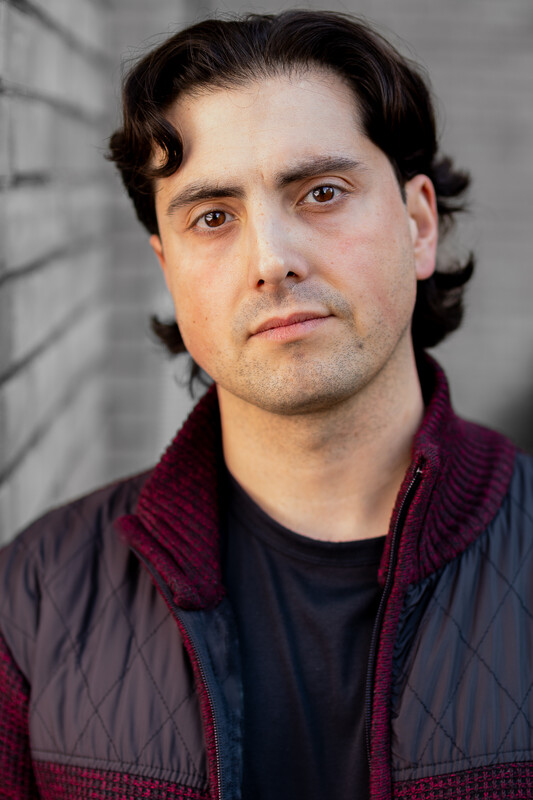
Kaan Akyol is a Turkish-American actor and filmmaker from New Jersey working across horror, thriller, and character-driven drama. A military veteran with a background in law enforcement, he brings a grounded realism to both his performances and filmmaking. His debut short film, Don’t Break the Circle, which he wrote, directed, and starred in, earned him Best Actor at New Jersey Horror Con & Film Festival. Influenced by classic supernatural horror and practical filmmaking, Kaan is passionate about telling intimate stories where human emotion collides with the unknown.
6/8/20263 min read
What initially inspired the story behind your latest film?
I was going through an old creepy house film phase and I wanted to see what my vision of that would look like on screen. I needed to get it out of my head and onto film.
Could you walk us through your creative process — from the first idea to the finished film?
I knew it would be a period piece, and there would be a seance. I started looking for locations, and once I found it I started building the world of the film within it. I am very collaborative, so I kept my production team in the loop with everything and asked for input.
How did you develop the visual style and tone of the project?
Since I knew I wanted it to feel like a Hammer film from the get-go, I knew the location would be very important. Once I locked down the location and had reference photos, I started production design. I collaborated with the DP and AD to figure out lighting and sound design, and how best to capture the mood.
What were some of the biggest challenges you faced during production, and how did you overcome them?
Time and weather was a concern for us. We had to start later than we wanted to, and thus ran a little later than anticipated. It all worked out though, we did what we could with the weather and we changed course a few times when we were pressed for time. We also had to turn the A/C off during takes and the set got very hot!
Was there a particular scene or moment that was especially difficult — or rewarding — to shoot?
There are more floors in the house than you get to see in the film, bringing all the equipment up was rough. But those stairs wound up being my favorite shot in the film!
How did you approach casting and working with your actors to bring the characters to life?
I'm very lucky to know talented people, and even luckier that they were available to be in my film! I’ve worked with them previously and knew they would be great.
Independent filmmaking often requires a lot of resourcefulness — what commitments or creative solutions did you have to make along the way?
You have to take stock of what you have readily available for you first and then go from there. I used whatever resources I had. I reached out to my contacts to get my cast and build my crew, I went through my house for production design items, and when I couldn't find any more I went out to thrift stores, online auctions, whatever I had to do. As far as commitments, time was a killer. There was some more stuff I wanted to film but once we knew there wouldn't be enough time, we did what the story needed and whatever was left had to go.
How did you first get into filmmaking? Was there a moment when you knew this was what you wanted to do?
It's been there since I was a little kid, but I would stop listening to myself. I grew up in front of a screen, I worked at video stores my whole youth. I used to make shorts with my Dads JVC camcorder, I got away with doing some videos for school assignments, and even taking a production class at school. Once I got back into acting and being on sets, I started getting the urge. I always wanted to work in film regardless of the position.
Which filmmakers or films have influenced your work the most?
Tough call since this is my first film, but I love John Carpenter and Robert Eggers' attention to detail. I also love William Friedkin and how his films had this documentary feel to them.
How do your personal experiences or background influence the stories you choose to tell?
I've always been fascinated by the unknown and that's what fuels my storytelling.
In your opinion, what makes independent cinema unique or essential today?
It is imperative that non-conventional and fresh stories continue to come out, and independent cinema allows this to happen.
How has this project changed you as a filmmaker or storyteller?
It's only strengthened my resolve to continue making films, and it has made me eager to continue learning the art of storytelling and technical filmmaking.
What lessons did you learn from this film that you'll carry into your next project?
Make sure you plan all your shots out way ahead before you shoot, start working with your composer during pre-production, and have a contingency for time constraints.
Can you share any details about what you're working on next?
I'm currently working on a more grounded horror project.
Finally, what advice would you give to emerging filmmakers trying to tell their stories independently?
Just start, whatever your idea is. Write something. Get a good group, film it.